Guide
How to get over gym anxiety (and actually enjoy exercising)
Published
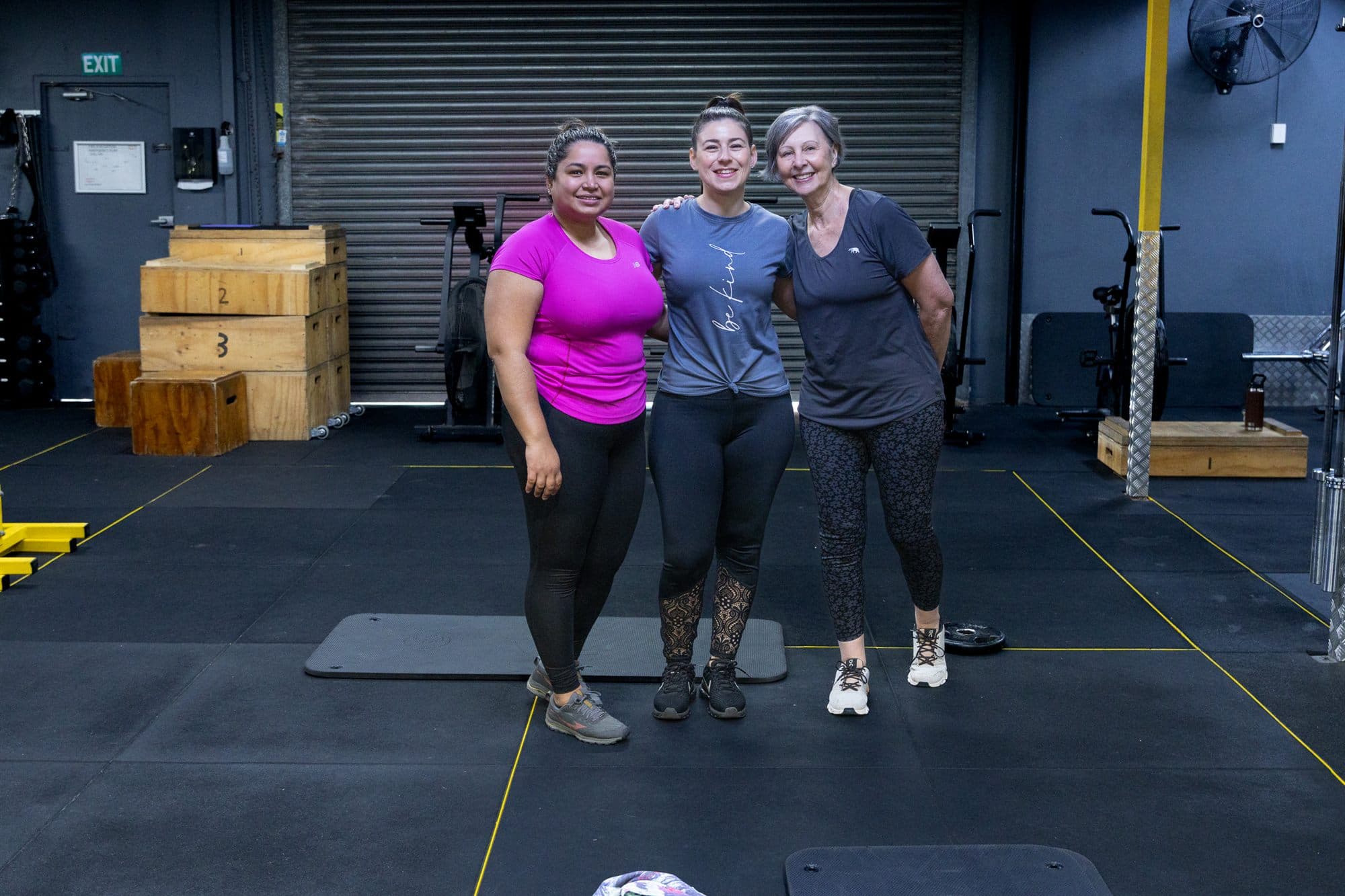
If the thought of walking into a gym makes your stomach drop, you are not weak, dramatic, or the only one. Gym anxiety is incredibly common, it’s the reason a lot of women never start or quietly quit, and the good news is it’s very workable. You don’t have to become a different person or “just push through.” You need a few practical strategies and, ideally, a way in that doesn’t throw you into the deep end.
I train women through their 40s, 50s and beyond, and this feeling comes up constantly. So let’s take it seriously and actually deal with it.
What is gym anxiety?
Gym anxiety is the fear or dread of exercising in front of others, usually driven by a worry about being judged, watched, or looking like you don’t know what you’re doing. It’s sometimes called “gymtimidation,” and it can range from a bit of nervousness to a strong enough dread that you avoid the gym altogether.
It’s not really about the exercise. Most women I meet aren’t afraid of the effort. They’re afraid of the room, the mirrors, the equipment they’re not sure how to use, and the sense that everyone else belongs there and they don’t. That’s a social and emotional barrier, not a fitness one, which is actually good news, because it means the fix is about the environment and your approach, not about being fitter first.
You’re not alone: how common is gym anxiety?
Very common, especially among women. In Australian research by VicHealth, 52% of women said they worry about being judged when they exercise, and nearly two in three women new to fitness find gyms intimidating. For a big share of women, that feeling is strong enough to actually stop them taking part.
So if you’ve felt this, you’re not the exception. You’re closer to the rule. Half of women carry some version of this worry into a gym, and plenty more never get through the door because of it. There’s nothing wrong with you, and there’s nothing to be embarrassed about. You’re having a completely normal response to an environment that, frankly, isn’t designed to feel welcoming to a nervous beginner.
Why does the gym feel so intimidating?
Because a typical commercial gym is built around people who already know what they’re doing, and everything about it can quietly signal that you’re the odd one out. Once you name the specific triggers, they lose some of their power.
The usual culprits are the same ones women describe again and again: walls of mirrors that make you feel watched, rows of confident regulars who seem to know exactly what they’re doing, equipment you’re not sure how to use and don’t want to ask about, and the fear of being the oldest or least fit person in the room. None of that is imagined, and none of it is a personal weakness. It’s a mismatch between a big, performance-focused space and a woman who just wants to get stronger without an audience.
How to get over gym anxiety: practical steps
The most effective approach is to lower the stakes of every part of the experience, so nothing about it feels like a test. Here are the things that genuinely help.
- Go at quiet times. Off-peak hours, usually mid-morning or early afternoon, mean fewer people and far less of that watched feeling. A near-empty gym is a completely different experience.
- Have a plan before you walk in. Knowing exactly what you’re going to do removes the “standing around not knowing what to do next” moment that fuels the anxiety. Even three or four exercises written on your phone is enough.
- Start smaller than you think. You don’t have to do a full workout to have a win. Ten minutes counts. Getting through the door and doing a little, then leaving, builds the evidence that you can do this.
- Remember nobody is really watching. It feels like everyone’s looking, but almost everyone is focused on themselves, their own set, their own reflection. The spotlight you feel is mostly in your own head.
- Bring a friend, or get some guidance. Going with someone, or having a trainer show you the ropes, takes away the “I don’t know what I’m doing” fear entirely, because someone’s got you.
- Give yourself permission to be a beginner. Everyone started somewhere. The confident regular you’re intimidated by was once exactly where you are.
You won’t need all of these forever. They’re training wheels. Do them for a while and the anxiety usually shrinks on its own as the gym stops being a strange, threatening place and becomes just a room where you go and get stronger.
When a regular gym isn’t the answer
Sometimes the honest solution is to skip the intimidating environment altogether, and that’s a completely valid choice, not a cop-out. If the crowd, the mirrors and the audience are the whole problem, you can train somewhere that simply doesn’t have them.
This is exactly why I coach the way I do. One on one, in a small community gym, with no crowd to perform for and no mirrors to shrink from. For a lot of women, the anxiety just isn’t there when it’s only them and a coach who gets it, because the thing they were afraid of, being watched and judged by a room full of strangers, is gone. If that sounds like the way in you’ve been looking for, that’s what I’m here for.
When gym anxiety is something more
If your anxiety extends well beyond the gym and affects other parts of your daily life, it’s worth speaking to your GP, and there’s no shame in that at all. Everyday gym nerves are one thing, and everything above will help with those. But anxiety that’s broader or heavier deserves proper support, and a GP or psychologist can help you find it.
Reaching out for that kind of help is a strength, not a weakness, and it doesn’t mean you can’t also start moving in a way that feels safe. The two go together well.
How I help women who dread the gym
Feeling at ease is the whole point of how I coach. No judgement, no rush, no audience, just you and me, working at your pace in a calm, private way of training. I’ve helped women who hadn’t set foot in a gym in years, or ever, and the fear fades faster than they expect once the intimidating parts are simply taken away.
If gym anxiety has been the thing standing between you and getting stronger, let’s take it off the table. The first step is a relaxed, free 15-minute call.
Book your free welcome callFor more on easing back into exercise, see my guide to getting back into the gym after years off. And if you’re navigating your 40s, 50s and beyond, my complete guide to exercise and menopause is the place to start.
Frequently asked questions
Is gym anxiety normal?
Very. Australian research found most women new to fitness find gyms intimidating, and around half of women worry about being judged when they exercise. It’s one of the most common barriers to starting, and nothing to be embarrassed about.
How do I stop feeling like everyone’s judging me at the gym?
Go at quiet times, have a plan so you’re never standing around unsure, and remind yourself that almost everyone there is focused on themselves, not you. If the feeling is strong, training one on one removes the audience entirely.
What if I don’t know how to use the equipment?
That’s one of the most common worries and one of the easiest to solve. A trainer or a quick induction shows you what you need, and you only ever need to learn the few things relevant to your own plan, not the whole gym.
Can I get fit without going to a gym at all?
Yes. Plenty of effective strength and mobility work can be done one on one in a small, private setting, or elsewhere, without ever stepping onto a busy gym floor.
This is one of a handful of guides answering the questions women ask most often about training after 40. Have a look at all the strength and mobility guides whenever you want to read another.