Guide
Getting back into the gym after years off: a gentle, realistic guide
Published
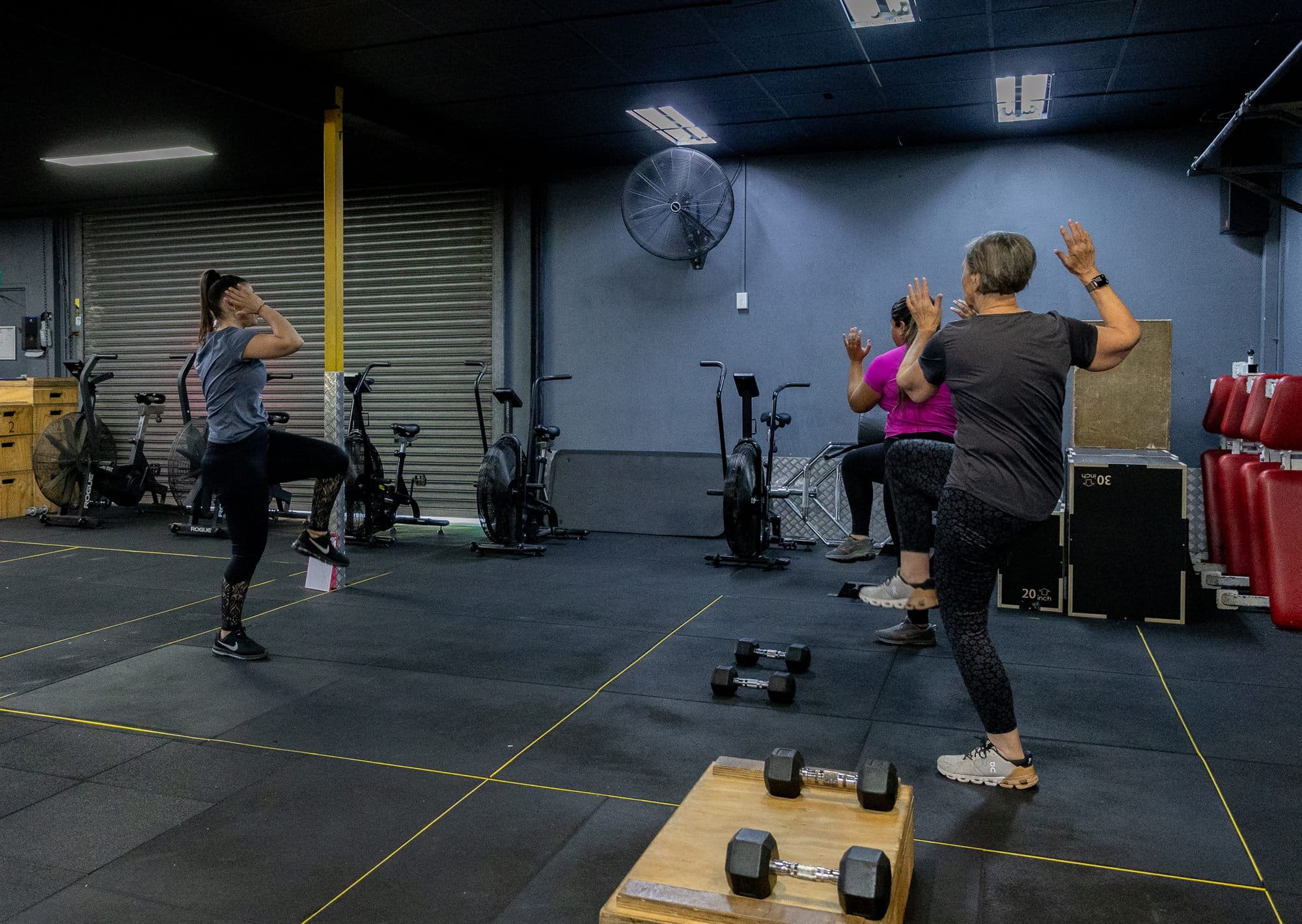
If it’s been years, or even decades, since you last trained, coming back can feel oddly harder than starting fresh, because you remember what you used to be able to do. Here’s what I want you to know before anything else: you’re not starting from zero, you don’t need to punish yourself back into shape, and the way back is gentler and more forgiving than you’re probably imagining. Start smaller than you think, be patient with the body you have now, and it comes back.
I help women do exactly this all the time. So let’s make the restart feel doable rather than daunting.
Is it normal to feel daunted about going back?
Completely normal, and very common. The mix of feelings, excitement, guilt about the time that’s passed, worry that you’ve let yourself go, nerves about walking in, is something almost every returning woman feels, and none of it is a reason not to start.
A lot of the hesitation isn’t really about the exercise. It’s the story we tell ourselves about the gap: that we should have kept it up, that everyone will see how unfit we’ve become, that we’ve somehow failed. Please put that down. Life happens, bodies change, and taking breaks from exercise is one of the most human things there is. The only thing that matters now is the next small step, and you’re already thinking about it, which is the hardest part done.
How do I start exercising again after years off?
Start small, go gently, and build up slowly, much more slowly than your memory of your old fitness wants you to. The single biggest mistake returners make is doing too much in the first fortnight, getting sore or discouraged, and stopping again.
The research on exercise injuries in people getting back into it is clear: problems come mostly from too much, too soon, not from exercise itself. So the smart restart is almost boringly gentle. A couple of short sessions a week, light to begin with, focused on relearning the movements rather than chasing your old numbers. Expect your body to feel a bit different and a bit rusty at first, that’s just deconditioning, and it fades quickly once you start moving again. You’re not aiming to impress anyone in week one. You’re aiming to still be going in month three.
Will I be back to square one?
No, you won’t. When you’ve trained before, your body holds onto more than you’d think, and returners generally make faster progress than complete beginners.
Even after a long break, the movement skills and coordination you built stick around, so the exercises come back to you more quickly than they were first learned. And encouragingly, studies on older adults show they can regain strength within a couple of months of starting to train again. So the fitness you built years ago wasn’t wasted. It left a foundation, and coming back is more like reawakening something than building it from scratch. That’s a very different, much kinder story than “I’ve lost it all and have to start over.”
Your body has changed, and that’s okay
The body you’re bringing back is not the one you left, and that’s not a problem to fight, it’s just the starting point to train from. If you’re in your 40s, 50s or beyond, midlife has shifted things: strength, energy and shape all change through this stage, largely driven by hormonal changes rather than anything you did wrong.
The trap here is comparing yourself to the version of you from fifteen or twenty years ago and feeling defeated before you begin. Don’t. That comparison isn’t useful and it isn’t fair. Train the body you have now, because it responds beautifully to the right work, and strength training in particular is genuinely powerful for a midlife body. I’ve written a full guide to what changes and what helps most.
Do you even need a gym to restart?
Not necessarily, and for a lot of returning women, a big commercial gym is the wrong place to come back to. If the crowd and the intimidation factor are part of what stopped you before, a smaller, quieter, more private way back often works far better.
This is one of the most common reasons women choose one on one training for their restart. There’s no busy gym floor to navigate, no equipment you’re unsure how to use, no feeling of being watched while you find your feet again. It’s just you, a coach, and a plan built for exactly where you are right now. If the environment has been the barrier, changing the environment is often the whole solution. More on easing that nervousness here.
How to make it stick this time
The thing that makes it stick isn’t willpower, it’s a plan that fits your life and a bit of accountability. Most restarts fail not from lack of desire but from doing too much, going it alone, and losing momentum.
Keep the bar realistically low: two manageable sessions a week you’ll actually do beats an ambitious plan you abandon. Make it regular enough to become a habit. And having someone in your corner genuinely helps, adherence to exercise is famously hard when you’re on your own, and a coach who’s expecting you, tracking your progress and adjusting as you go is one of the strongest ways to keep it going through the weeks when motivation dips.
How I help women get back into it
Restarting is one of my favourite things to help with, because the turnaround in how a woman feels, and how she talks about herself, is so quick once she gets going again. I coach one on one, at your pace, in a small and calm setting, so coming back feels supported rather than exposing.
If it’s been a while and you’ve been meaning to get back to it, this is the gentle way in. The first step is a free 15-minute call, no pressure at all.
Book your free welcome callAnd if the safety of lifting again is on your mind, I’ve answered that fully here.
Frequently asked questions
How do I get back into exercise after years off?
Start small and build up slowly. A couple of short, gentle sessions a week focused on relearning the movements beats trying to pick up where you left off. Expect to feel rusty at first, it fades quickly.
Will I lose all my progress after a long break?
No. Movement skills and coordination persist through long breaks, and returners typically regain fitness faster than complete beginners. You’re reawakening a foundation, not starting from scratch.
How often should I train when I’m starting again?
Two manageable sessions a week is a great starting point, enough to build momentum and a habit without overwhelming you or making you sore enough to quit.
Is it harder to get fit again after 50?
It’s different, not impossible. Your body has changed through midlife, but it still responds very well to strength and movement work. Training the body you have now, rather than comparing it to your younger self, is the key.
This is one of a handful of guides answering the questions women ask most often about training after 40. Have a look at all the strength and mobility guides whenever you want to read another.