Personal training with an injury in Perth
An injury doesn’t always mean you have to stop moving.
Maybe your knee is sore, your back is giving you trouble, or there’s a movement that just doesn’t feel right at the moment.
Tell me what’s going on. 15 minutes on the phone, no pressure.
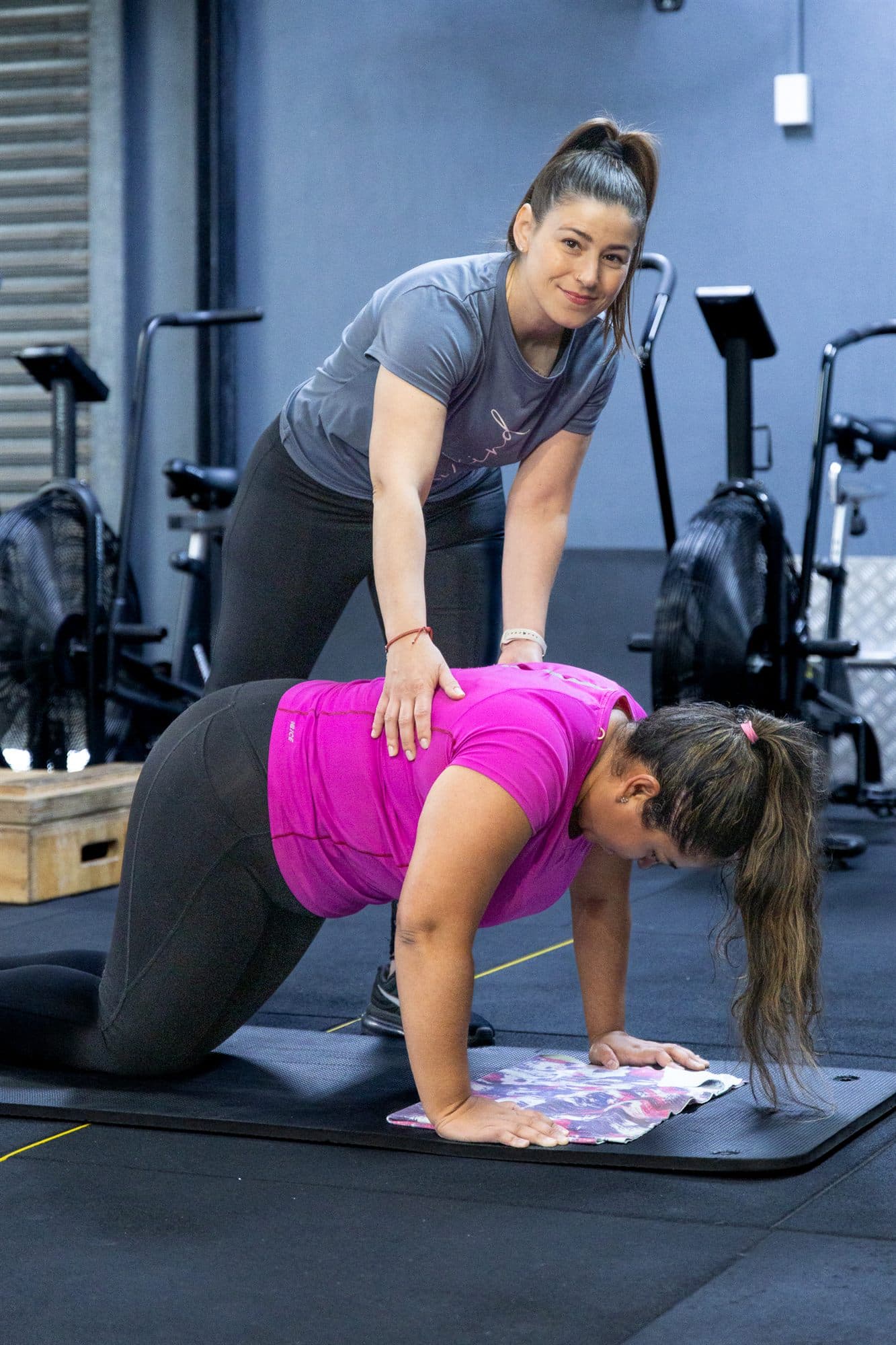
That doesn’t mean we ignore it or push through it. We work with what your body can do, adapt your training when we need to, and build from there.
And if you’re already working with a physio, GP or another healthcare professional, I’m more than happy to work alongside them.
“I would, but my knee…”
Maybe it’s your knee. Maybe it’s your back, shoulder, hip or something else that’s been bothering you for a while.
When something hurts, it can be hard to know what you should be doing. Do you rest? Keep moving? Avoid certain exercises? Push through it?
For me, pain isn’t something we ignore or simply push through. It’s something we pay attention to.
Sometimes that means changing an exercise, adjusting the range of movement or choosing something different altogether. And sometimes it means getting advice from your physio, GP or another healthcare professional before we continue.
The goal isn’t to work against your body. It’s to find what you can do and build from there.
Exercising with a sore knee after 50What happens if you just leave it alone?
When something hurts, it’s natural to think that stopping exercise might be the best thing to do. And sometimes rest is exactly what your body needs, especially with a new injury or flare-up.
But that doesn’t always mean you need to stop moving completely.
Depending on what’s going on, there may still be plenty you can do. We might change an exercise, reduce the weight or range of movement, or focus on something completely different while your injury settles.
For me, it’s not about pushing through pain, and it’s not about being afraid to move either. It’s about listening to your body and finding what works for you.
And if something doesn’t feel right or I think we need more guidance, I’ll always encourage you to check in with your physio, GP or healthcare professional. I’m more than happy to work alongside them too.
Sometimes we might need a little more information first
As a Personal Trainer, I’m not here to diagnose an injury or guess what might be causing your pain. If something needs to be assessed first, I’ll always encourage you to see your GP, physio or appropriate healthcare professional.
And if you’re already working with someone, that’s absolutely okay. Let me know what they’ve recommended, anything they’d like you to avoid and what they’re currently working on with you.
I’m more than happy to work alongside them. Your training can then support the work you’re already doing while staying within the advice they’ve given you.
As things change and you’re ready to do more, we can continue building your strength and confidence from there.
What actually changes in a session
Sometimes, it’s the small changes that make the biggest difference. If something is sore or a movement doesn’t feel right, we have different ways we can adapt your training.
- The range. You might feel comfortable through part of a movement but not all of it. We can adjust the range and work with what feels comfortable for you that day.
- The load. Sometimes we simply need to make something lighter and gradually build it back up as you get stronger.
- The movement. There’s usually more than one way to work the same area. If one exercise doesn’t feel right, we can try another rather than forcing something that isn’t working for your body.
- The impact. If higher-impact movements aren’t appropriate for you right now, there are plenty of other ways we can continue building your strength and fitness.
- The setup. Sometimes changing the height of a bench, your position or how an exercise is set up can make a big difference to how it feels.
And just because one part of your body needs a little more care doesn’t mean everything else has to stop. We can still work on your upper body, your back, your core and everything else your body is comfortable doing.
What I won’t do
I won’t ask you to push through pain or make you feel like you just need to try harder when something doesn’t feel right.
And I won’t expect you to finish an exercise just because it was part of the plan.
What I will do is listen.
If something doesn’t feel right, tell me. We can stop, change the movement, adjust the weight or try something different.
That’s one of the things I love about one-on-one Personal Training: we can adapt your session to you, in the moment.
What you’ll notice
Progress might look different when you’re working with an injury.
Maybe you can do a movement that you’d been avoiding. You feel more confident going up and down the stairs. You can walk a little further, move more comfortably or simply stop worrying so much about whether something is going to hurt.
Sometimes the win is realising there’s more your body can do than you thought.
These are your Life & Health Wins, the little moments that show your strength and confidence are building, both inside and outside the gym.
Strength training for women over 40Personal Training in Perth when you’re working with an injury
I train out of PrimeFit on Hutton Street in Osborne Park, a small, friendly, community-based gym. It’s an easy drive from Karrinyup, Stirling, Woodlands, Innaloo, Doubleview, Noranda, Dianella and the surrounding northern suburbs.
If an injury, sore knee, back or shoulder has made you unsure about getting back into strength training, you don’t have to figure it out on your own. We can look at what your body is comfortable doing, adapt where we need to and keep building from there.
And if you’re already working with a physio, GP or another healthcare professional, I’m more than happy to work alongside them and follow any guidance they’ve given you.
Your sessions are 45 minutes and one-on-one, giving us the time to check in, see how your body is feeling and adjust your training when we need to. No lock-in, no contract, and a missed week costs you nothing.
When to stop and get it checked
Sometimes, changing the exercise isn’t the answer.
If something doesn’t feel right, the pain is getting worse, or you’re noticing things like swelling, pain that wakes you at night, or a joint giving way or locking, I’m not going to guess or ask you to push through it.
We’ll stop, and I’ll encourage you to have it checked by your GP or physio.
Once we know a little more about what’s going on and what they’re happy for you to do, we can work with that and keep you moving in a way that feels right for your body.
And if you’re already working with someone, I’m always happy to work alongside them.
Where to start
A free 15-minute Welcome Call.
Tell me a little about what’s going on, what you’ve been told and any questions or concerns you have.
We can chat about how I work and whether I’m the right person to support you. And if I think you need to see your physio or GP first, I’ll always let you know.
Questions women ask me
Can a personal trainer help with knee pain?
Yes, a Personal Trainer can help you keep moving and build strength while working with what your body can do. If you’re already seeing a GP or physio for your knee pain, I’m more than happy to work alongside them and follow any guidance they’ve given you. What I can’t do is diagnose or treat your knee, and if I think something needs to be looked at first, I’ll always let you know.
I’m still seeing my physio. Is it too early?
Not necessarily. Personal Training and physiotherapy can work really well alongside each other. Tell me what your physio is working on with you, anything they’d like you to avoid and any guidance they’ve given you, and I can work with that. If they’d prefer you to wait before returning to certain exercises, we’ll respect that too.
What if it flares up during a session?
Tell me. We’ll stop that movement and see what we need to change. We might adjust the exercise, try something different or, if needed, stop and get some further advice. You’ll never be expected to push through pain just because something was part of the plan.
I’ve got a few things going on, not just one. Is that a problem?
Not necessarily. We look at your body as a whole rather than focusing only on one knee, shoulder or back. Your training is personalised to you, what your body can do and anything we need to be mindful of along the way.
Do I need a referral from my GP or physio?
No, you don’t usually need a referral to start Personal Training with me. Depending on what’s going on, though, I may ask you to check in with your GP or physio before we start or before we include certain exercises. And if you’re already working with someone, I’m always happy to work alongside them.
It’s my back or shoulder, not my knee. Is that different?
Every injury and every body is different, but my approach stays the same. We listen to your body, work with what you can do and adapt your training where we need to. If something needs to be assessed first or is outside my role as your Personal Trainer, I’ll let you know.
Wherever you’re starting from, there’s a way forward that works for you.
The five starting points