Guide
Exercising with a sore knee after 50: how to keep training
Published
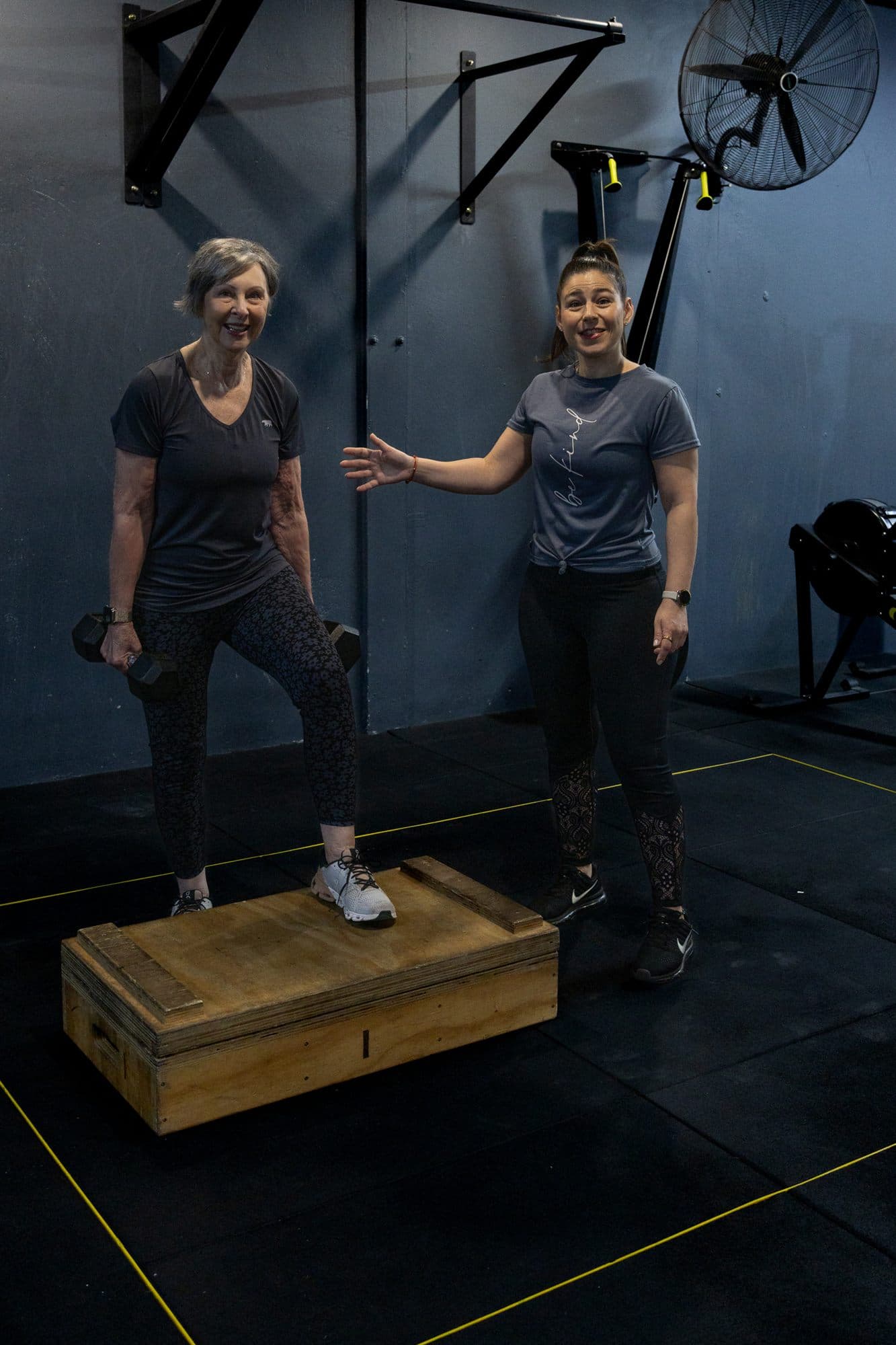
“I’d exercise, but my knee…” I hear this a lot, and having a sore knee can make it difficult to know what you should and shouldn’t be doing.
Pain isn’t something I’m going to ask you to ignore or push through. But having a sore knee doesn’t automatically mean that all exercise has to stop either.
Sometimes we might change the exercise. Sometimes we reduce the resistance or range of movement. Sometimes we focus on other areas of the body. And sometimes the right thing to do is stop and get a little more information from your GP or physio first.
The goal is to work with what your body can do today and build from there.
And if you’re already working with a physio, GP or another healthcare professional, I’m more than happy to work alongside their recommendations.
Sometimes we might need a little more information first
I’m a Personal Trainer, not a physiotherapist or a doctor, so I’m not here to diagnose your knee or guess what might be causing your pain.
If your knee pain is new, getting worse, there’s significant swelling, your knee is giving way or locking, it’s waking you at night, or something simply doesn’t feel right, I’ll encourage you to have it checked by your GP or physio.
If you’re already seeing someone, let me know what they’ve recommended and whether there are any movements or activities they’d like you to avoid or modify. I’m more than happy to work alongside them and adapt your training accordingly.
Sometimes we can keep training with a few simple changes. Other times, getting a little more information first is the best place to start.
Should you rest a sore knee or keep moving?
It depends on what’s going on with your knee.
Sometimes rest is exactly what your body needs, particularly with a new injury or flare-up. But having a sore knee doesn’t always mean you need to stop moving completely.
Depending on how your knee feels and any advice you’ve been given, there may still be plenty you can do. We might change an exercise, reduce the resistance or range of movement, choose a different movement, or focus on other areas of your body while your knee needs a little more care.
Strength is important as we age, including the muscles around our hips and legs, but that doesn’t mean pushing through knee pain in the name of getting stronger.
The aim isn’t to choose between complete rest and pushing through. It’s about listening to your body, finding what feels appropriate for you and building from there.
What we actually change in a session
This is the practical part. Training with a sore knee doesn’t necessarily mean changing everything. Sometimes a few small adjustments can make a big difference.
- The range of movement: if a movement feels comfortable through one range but not another, we can work within the range that feels appropriate for you and build from there.
- The resistance: sometimes we might start lighter or reduce the resistance and gradually increase it as your body becomes stronger and more comfortable with the movement.
- The exercise: there’s usually more than one way to work the same area. If an exercise doesn’t feel right, we can change it rather than feeling like you have to push through.
- The tempo: sometimes changing the speed of a movement can help you feel more controlled and comfortable with what you’re doing.
- The impact: if higher-impact movements aren’t appropriate for you right now, we can choose lower-impact ways to build strength and fitness instead.
- The setup: changing something as simple as your position, seat height, stance or adding a little support can sometimes make a movement feel completely different.
None of that makes it a lesser session. It makes it a session built around you and what your body needs that day.
And just because one part of your body needs a little more care doesn’t mean everything else has to stop. We can still work on your upper body, your back, your core and everything else your body is comfortable doing.
The strength that supports a knee
Your knee doesn’t work in isolation. The muscles around your hips, thighs and lower legs all play a role in how you move, which is why training with a sore knee often involves more than focusing on the knee itself.
- The quadriceps: the muscles at the front of your thigh play an important role in supporting everyday movements such as walking, standing up, climbing stairs and getting up from a chair.
- The glutes and hips: strength around your hips can support the way your whole lower body moves during things like walking, stepping, squatting and balancing.
- The hamstrings and calves: these muscles also contribute to lower-body strength and movement, so it makes sense to include them as part of a well-rounded program.
- Balance and control: balance is something we can continue to work on as we age, and exercises that challenge balance can be an important part of maintaining confidence and function.
Mobility can be part of the picture too. If you’re feeling stiff through your hips or other areas of your body, we can look at how strength and mobility can work together to help you move more comfortably.
Better posture and less stiffness after 50What I won’t do
I won’t diagnose your knee or tell you what’s causing your pain. That’s not my role as a Personal Trainer.
I also won’t ask you to push through pain or make you feel like you just need to try harder when something doesn’t feel right.
What I will do is listen.
If something doesn’t feel right, tell me. We can stop, change the movement, adjust the resistance or range of movement, or try something different.
That’s one of the things I love about one-on-one Personal Training. We can adapt your session to you, in the moment.
Working alongside your physio
If you’re already seeing a physio for your knee, that’s absolutely something we can work with.
Let me know what they’ve recommended, whether there are any movements they’d like you to avoid or modify, and anything they’d like you to focus on. I can take that into consideration when planning and adapting your training.
My role isn’t to replace what your physio is doing. It’s to work alongside their recommendations and help you continue building strength and confidence through your training.
And if it would be helpful, I’m always happy to work alongside your physio or other healthcare professional so we’re all supporting you in the same direction.
When to stop and get it checked
Sometimes, changing the exercise isn’t the answer.
If your knee pain is getting worse, you’re noticing significant swelling, your knee is giving way or locking, you have pain that wakes you at night, or something simply doesn’t feel right, I’m not going to guess or ask you to push through it.
We’ll stop, and I’ll encourage you to have it checked by your GP or physio.
Once we know a little more about what’s going on and what they’re happy for you to do, we can work with that and keep you moving in a way that’s appropriate for you.
And if you’re already working with someone, I’m always happy to work alongside their recommendations.
We start with where your body is
Having a sore knee doesn’t mean we have to define your whole training around it.
We start with where your body is today, what feels comfortable, what you’d like to be able to do, and any advice you’ve already been given. From there, we can adapt your training when we need to and gradually build your strength and confidence.
It’s not about ignoring what your body is telling you. It’s about working with it.
If you’d like to talk through what’s going on, we can start with a free 15-minute Welcome Call. Tell me a little about where you’re at, I’ll explain how I work, and we can see whether we’re the right fit for each other.
And if I think you’d be better speaking with your GP or physio first, I’ll always let you know.
No pressure. Just a friendly chat.
Book your free 15-minute callIf you’d like a little more support around training with an injury, you can also read more about how I approach Personal Training when something needs a little extra care.
Training with an injuryIf your knee is part of the reason it’s been a while since you exercised, my guide to getting back into the gym after years off is a great next read. And if you’re unsure about adding weights, you can also read more about starting strength training in your 50s.
Frequently asked questions
Can I do strength training with a sore knee?
Often, yes, but it depends on what’s going on with your knee and how it responds to different movements. Strength training can often be adapted by changing the exercise, range of movement, resistance or setup. The goal isn’t to push through pain. It’s to find what your body is comfortable doing and build from there. If your knee pain is new or worsening, there’s significant swelling, giving way or locking, or you’re unsure what’s appropriate, it’s worth speaking with your GP or physio first.
Should I rest my knee or keep moving?
It depends on what’s causing your knee pain and how it’s feeling. Sometimes rest is exactly what your body needs, particularly with a new injury or flare-up. But a sore knee doesn’t always mean you need to stop moving completely. There may still be plenty you can do by adapting your training or focusing on movements that feel comfortable. If you’re unsure, your GP or physio can help guide you on what’s appropriate.
Are squats bad for your knees?
Not necessarily. Squatting is a movement we use in everyday life, getting up from a chair is one example, and there are lots of different ways it can be trained. The exercise, depth, resistance and setup can all be adjusted depending on what feels appropriate for you. You don’t need to squat a particular way or to a particular depth for it to “count”. If squatting causes pain or doesn’t feel right, we don’t need to push through it. We can adjust it or choose another movement.
Is it normal for knees to get sore in your 50s?
Knee pain can happen at any age, and getting older doesn’t mean you should simply accept pain as something you have to put up with. There can be many reasons why a knee feels sore, and as a Personal Trainer, it’s not my role to diagnose what’s causing it. If your knee pain is persistent, worsening or concerning you, it’s worth having a conversation with your GP or physio rather than assuming it’s “just age”.
About Fire & Flow Movement
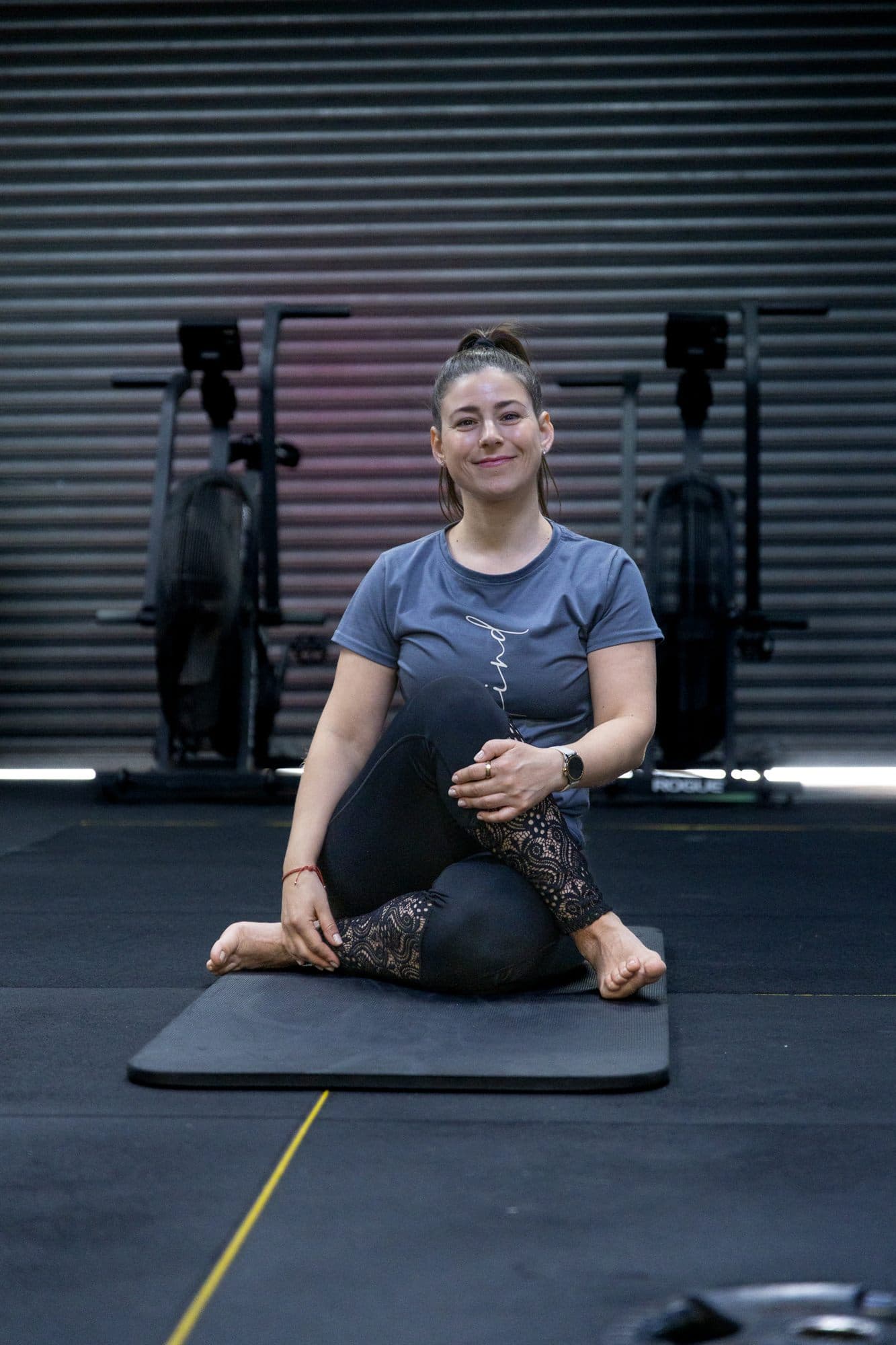
Fire & Flow Movement is run by Alex Henriques, a qualified Personal Trainer with Certificate III and IV in Fitness and a Strength for Life Tier 2 Instructor. Alex works with women in their 40s, 50s, 60s and beyond, helping them build strength and confidence through one-on-one Personal Training at PrimeFit in Osborne Park, Perth.
More about AlexThis is one of a handful of guides answering some of the questions women ask most often about training after 40. You can explore all the strength, movement and wellbeing guides here